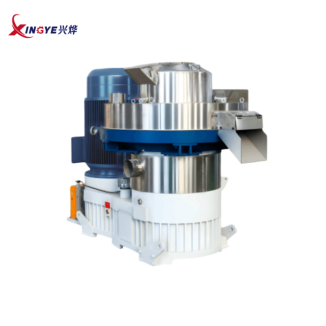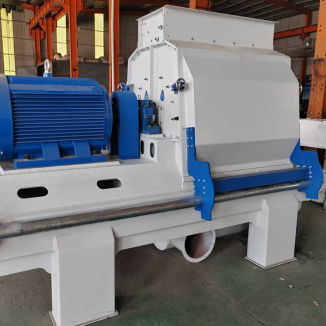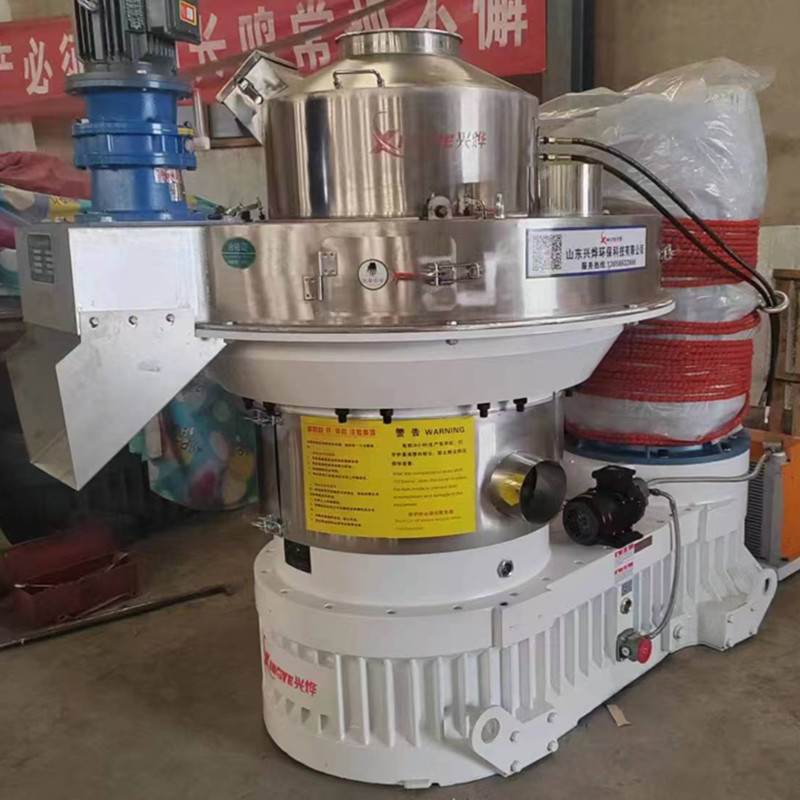
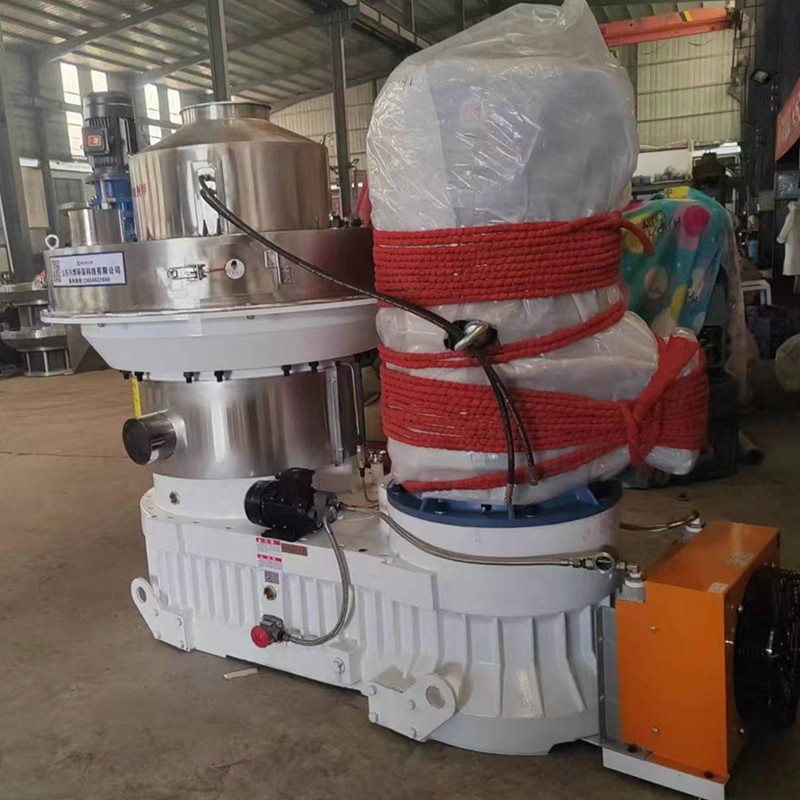
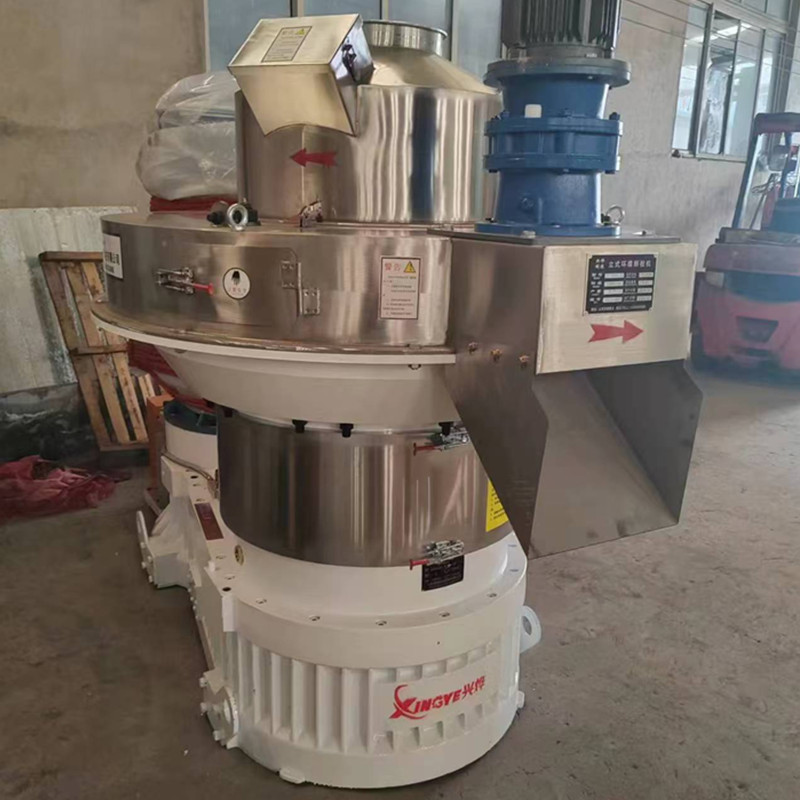
Sawdust Pellet Mill
Raw material conversion: Efficiently compress waste sawdust to produce high-density pellet fuel.
Green and low-carbon: sufficient combustion, less pollution, replacing coal is more environmentally friendly.
Versatile uses: widely used in industries, heating, and power generation.
Economic efficiency: Concentrated particle energy significantly reduces storage and transportation costs.
Following the trend: in line with the new energy policy, with broad development prospects.
Introduction To Sawdust Pellet Mill
Sawdust Pellet Mill is a professional biomass molding equipment that uses mechanical pressure and high temperature to forcefully press loose agricultural and forestry waste such as sawdust, sawdust, straw, etc. into high-density, regular shaped solid pellet fuel. This process does not require the addition of adhesives and mainly relies on the natural bonding effect of lignin softening when heated. This technology successfully converts waste into clean energy, which is a key link in resource recycling.

Feature
1. Efficient and energy-saving
It can convert low calorific value loose biomass into high calorific value dense energy, significantly improving energy density and combustion efficiency far beyond primary waste.
2. Green and environmentally friendly
The carbon recycling has been achieved, with almost no sulfur and low nitrogen during combustion, effectively reducing greenhouse gas and harmful substance emissions, and meeting environmental protection requirements.
3. Excellent quality of finished products
The produced particulate fuel has the characteristics of high density, high calorific value, low moisture content, and uniform specifications, making it easy for commercial and standardized use.
4. Automated operation
Modern models have a high degree of automation and can achieve continuous and stable production. The key pressure rollers and molds are wear-resistant and durable, easy to maintain, and have low overall operating costs.

Scope of application
Industrial energy: provides steam and power for factories and power plants, replacing coal for industrial boilers.
Civil heating: As a clean fuel for fireplaces and biomass heating furnaces, it provides heating for homes, schools, hospitals, and other places.