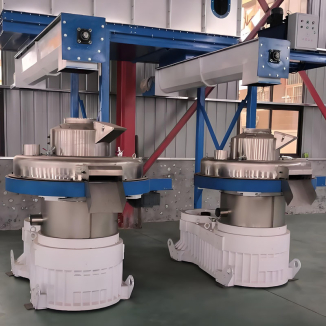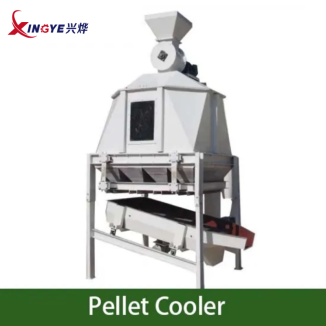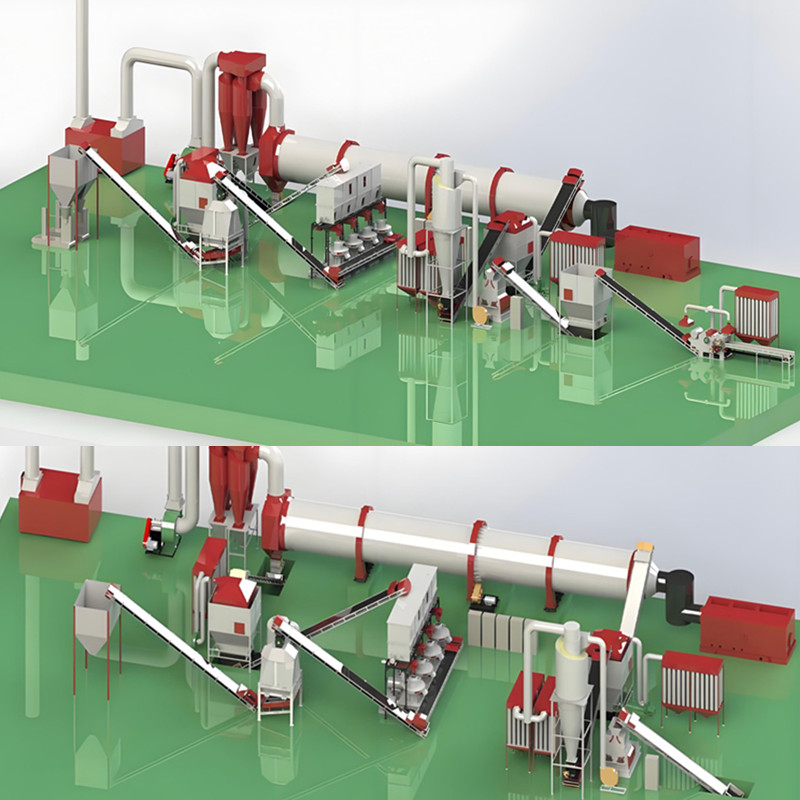
Wood Pellet Production Line
Scale benefits: Automated continuous production, high production capacity, and low unit cost.
Stable quality: The integrated system ensures stable particle density and calorific value, with unified standards.
Maximizing comprehensive utilization of resources: capable of processing diverse waste materials and achieving 100% conversion of resources.
Efficient and labor-saving: The entire line operates automatically, greatly saving manpower and reducing human intervention.
The performance of the Wood Pellet Production Line is the core indicator for measuring its production capacity, output quality, and economic benefits, mainly including:

1. Comprehensive production capacity and particle yield: Refers to the total output of the entire production line per unit time (usually hours), which is the core performance indicator. High performance production lines can achieve high-yield and stable operation, while ensuring high yield (particle yield) (usually>95%) and low material to powder ratio.
2. Stability of finished product quality: The particle quality produced by the production line must be uniform and reliable. The key performance parameters include:
Mechanical durability rate: measures the anti crushing ability of particles, with higher values indicating less pulverization during transportation.
Calorific value: Ensure compliance with commercial standards (e.g.>4000 kcal/kg).
Moisture content: Through precise drying and cooling systems, the moisture content of the finished product can be stably controlled at around 10%.
3. Energy efficiency: also known as "electricity consumption per ton of material", refers to the total amount of electricity consumed to produce one ton of qualified particles. This is the key to determining operating costs, as high-performance production lines achieve low energy consumption and high output through optimized design and power matching.
4. System stability and durability: refers to the time during which the production line can operate continuously without faults. This depends on the durability of core components such as pelletizer roller molds, dryers, and motors, as well as the reliability of the entire system design, which directly affects maintenance costs and production capacity assurance.

The characteristic of the wood pellet production line is its systematic advantage in achieving the above-mentioned high performance:
1. System integration and automation: Integrating single equipment such as crushing, drying, granulation, cooling, packaging, etc. into a collaborative organic whole, achieving full or semi automated operation through a central control system, greatly reducing human intervention.
2. High flexibility in raw material processing: The production line is equipped with various pretreatment equipment (such as crushers and screening machines), which can adapt to different types, sizes, and initial moisture contents of raw materials (wood blocks, tree branches, sawdust, etc.), standardize complex raw materials, and provide qualified materials for the granulation process.

3. Precision quality control: With independent drying, cooling, and screening processes, it can accurately control the moisture content of materials and the temperature of finished products, and screen out debris to ensure that all indicators of the final factory product (such as density, moisture, and powder content) are stable and meet the standards.
4. Safe operation and long lifespan design: The entire line design includes safety mechanisms such as overload protection and interlocking to prevent equipment damage. Meanwhile, the key components are made of wear-resistant materials and heavy-duty processes, ensuring long service life and low failure rate under harsh working conditions.