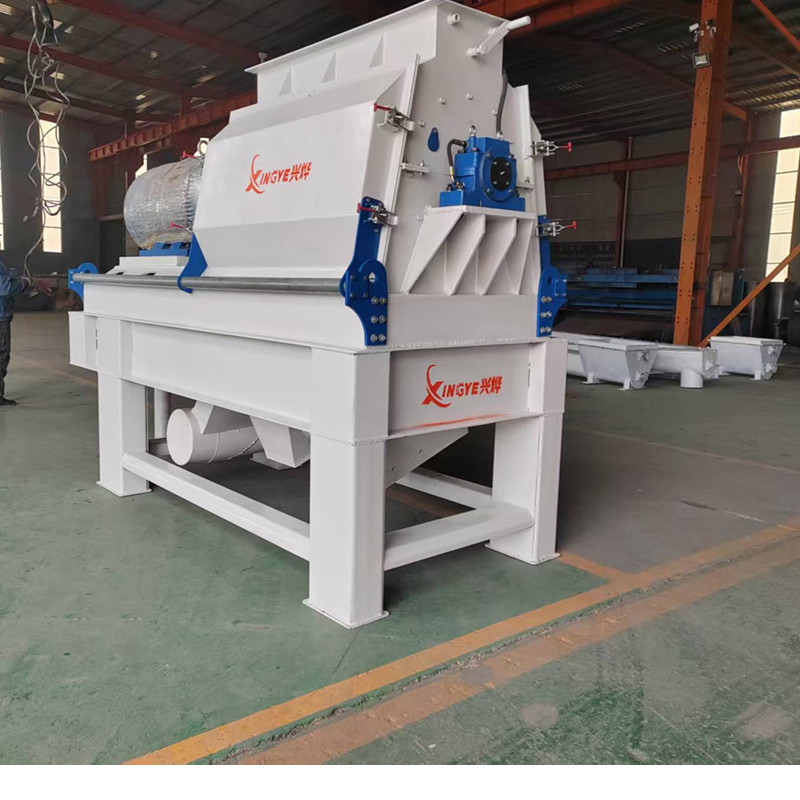
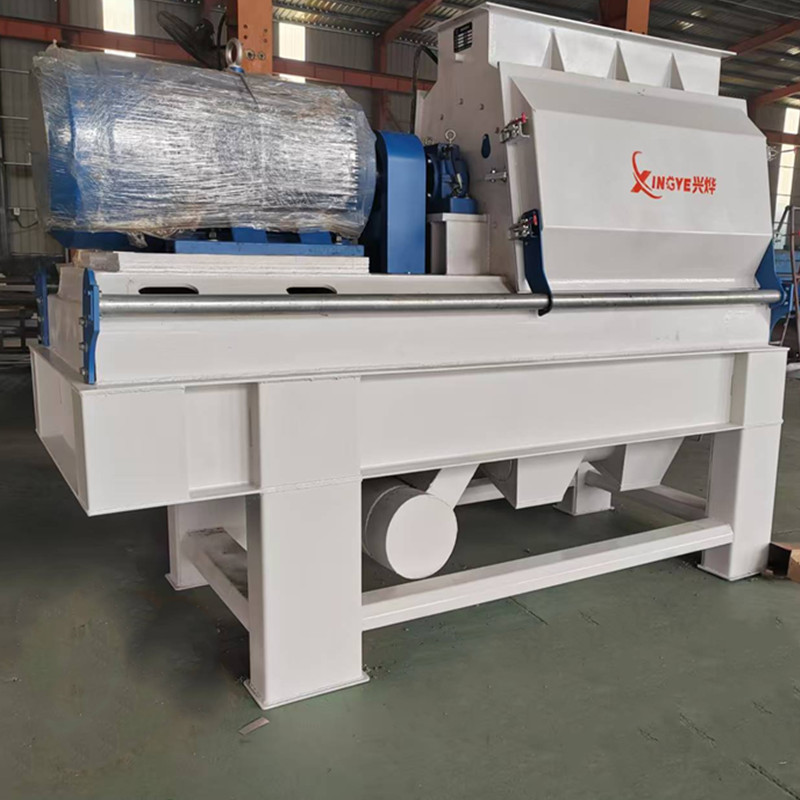
Biomass Hammer Mill Machine
Efficient crushing, widely applicable: using high-speed hammering principle, it can efficiently crush various biomass materials such as wood and straw, with strong adaptability.
Uniform particle size and excellent product quality: The discharge is controlled by the bottom sieve to ensure uniform particle size of the crushed material and meet the subsequent granulation requirements.
Sturdy structure, durable and reliable: The core hammer and lining plate are made of wear-resistant materials, with a sturdy structure that can adapt to harsh working conditions and a long service life.
Easy to operate and maintain: well-designed and easy to operate; Most models can replace vulnerable parts such as hammers and screens by opening the cover, with low maintenance costs.
Detailed introduction of Biomass Hammer Mill Machine
Biomass Hammer Mill Machine is a key equipment in the biomass fuel pretreatment process. Its main task is to crush various sizes of agricultural and forestry waste (such as wood chips, tree branches, straw, etc.) into small and uniform particles, laying the foundation for subsequent drying, granulation or combustion processes.

Core structure and working principle
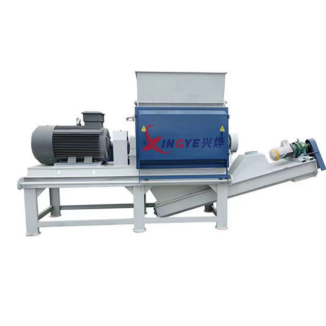
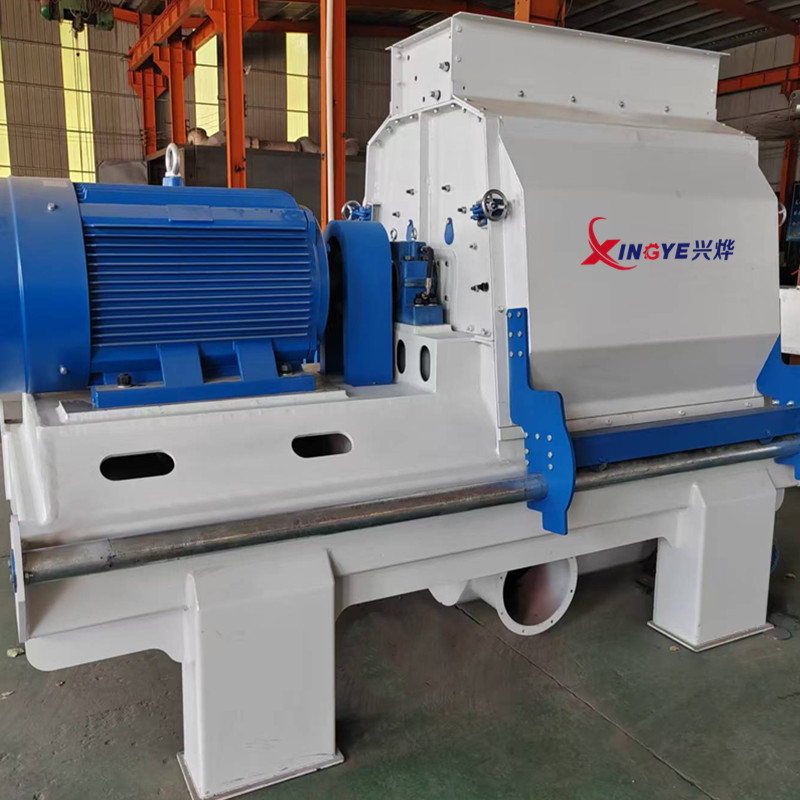
The core structure of the machine includes a feed inlet, rotor, hammer head (articulated hammer blade), screen mesh, and casing. Its working principle is to use a high-speed rotating rotor to drive the hammer head, generating huge impact and shear forces, and violently impacting the material entering the crushing chamber. The material is crushed by repeated hammer strikes and friction with the inner wall of the sieve until its particle size is smaller than the sieve aperture, and then discharged from the machine. Materials that fail to meet the particle size requirements will continue to be crushed in the cavity.

Highlight performance characteristics
1. Strong adaptability and wide application: It can efficiently process various biomass materials, including wood chips, shavings, tree branches, as well as agricultural corn stalks, rice husks, etc. It has high tolerance for the shape and type of raw materials.
2. Controllable particle size and uniform finished product: By replacing screens with different aperture sizes, the discharge particle size can be flexibly controlled to meet the specific requirements of downstream processes for raw material particle size, ensuring the quality of the final product.
3. Sturdy structure, stable and durable: Core working components such as hammers and screens are usually made of wear-resistant materials such as high manganese steel, which can withstand long-term high-intensity wear and ensure the service life and operational reliability of the equipment.
4. High efficiency and easy operation: Reasonable design, direct power transmission, high crushing efficiency. At the same time, the structure is not complex, and daily operation and maintenance (such as replacing hammers and screens) are relatively convenient, which helps to reduce maintenance costs and time.
Selection and maintenance points
When choosing a crusher, it is necessary to clarify the characteristics of the raw materials, target output, and requirements for the particle size of the finished product. At the same time, special attention should be paid to the wear resistance and ease of replacement of vulnerable parts such as hammers. In daily use, it is necessary to strictly ensure the purity of raw materials, prevent foreign objects such as metals and stones from entering the machine and causing damage, and control the moisture content of materials (usually recommended to be below 15%) to ensure the best crushing effect and safe and stable operation of equipment.