Catalytic Combustion System
Low-Temperature Oxidation: Catalyst enables complete oxidation of hydrocarbons and VOCs at only 300–450°C.
Energy-Saving & Cost-Effective: Requires less auxiliary fuel compared to thermal combustion, reducing operating costs.
Compact & Space-Saving Design: Small equipment footprint makes it suitable for limited industrial spaces.
Environmentally Friendly: Effectively decomposes toxic and harmful gases into CO₂ and H₂O, minimizing secondary pollution.
Stable Performance: High purification efficiency with consistent operation under industrial conditions.
Product Introduction
The catalytic combustion system is an advanced waste gas treatment technology designed for the purification of volatile organic compounds (VOCs) and other combustible pollutants. By using a catalyst, combustible substances in exhaust gases are oxidized and decomposed at low temperatures (300–450°C), achieving complete conversion into harmless carbon dioxide and water vapor.
Compared with conventional thermal combustion methods, catalytic combustion offers significant advantages such as lower fuel consumption, reduced energy costs, compact equipment design, and reliable purification efficiency. This makes it one of the most effective solutions in modern industrial air pollution control.
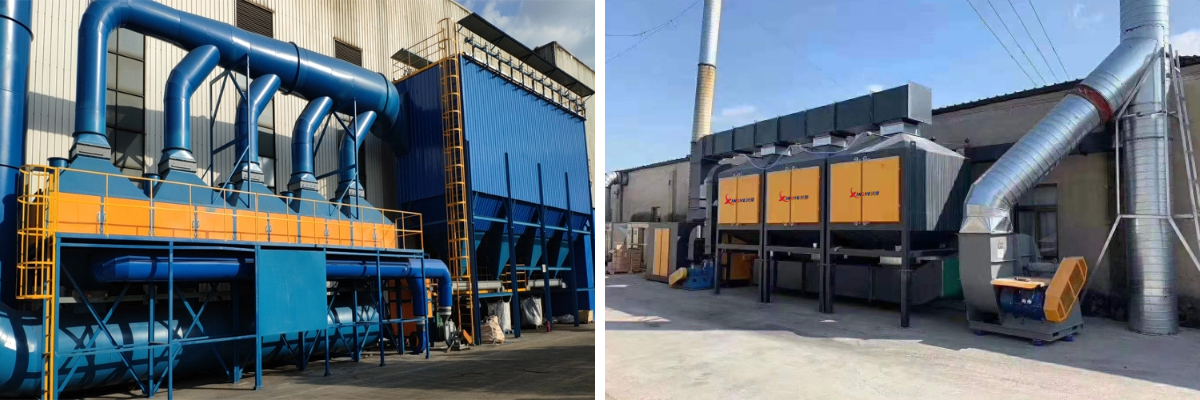
Product Features
Low-Temperature Oxidation – Catalyst enables complete oxidation of hydrocarbons and VOCs at only 300–450°C.
Energy-Saving & Cost-Effective – Requires less auxiliary fuel compared to thermal combustion, reducing operating costs.
Compact & Space-Saving Design – Small equipment footprint makes it suitable for limited industrial spaces.
Environmentally Friendly – Effectively decomposes toxic and harmful gases into CO₂ and H₂O, minimizing secondary pollution.
Stable Performance – High purification efficiency with consistent operation under industrial conditions.
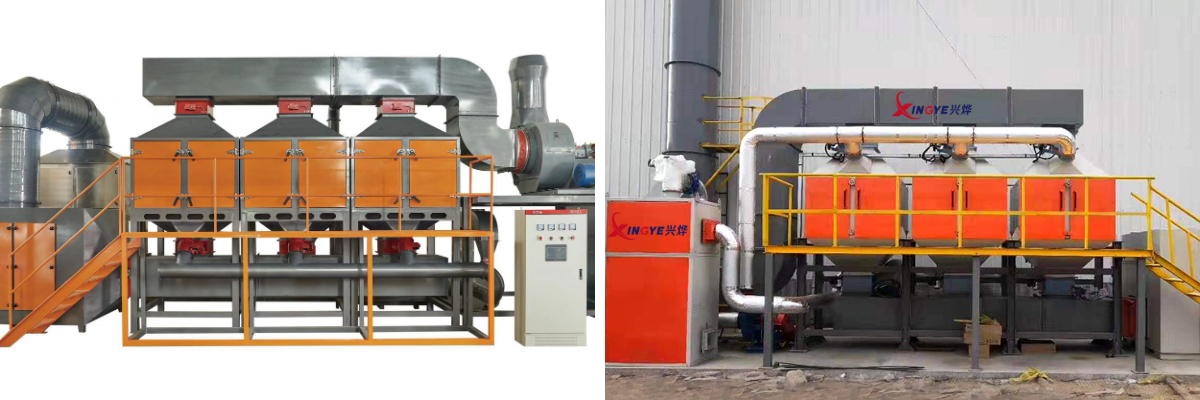
Product Structure
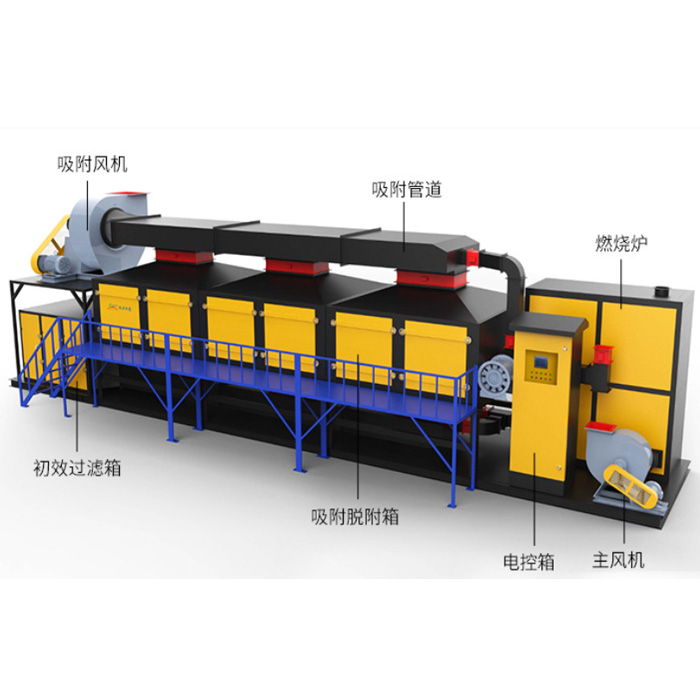
A standard catalytic combustion system consists of:
Catalyst Bed – Core component where VOCs and hydrocarbons are oxidized at low temperature.
Heat Exchange Unit – Improves energy efficiency by recycling heat from treated gases.
Combustion Chamber – Provides controlled reaction environment for catalytic oxidation.
Exhaust System – Safely discharges purified air into the atmosphere.
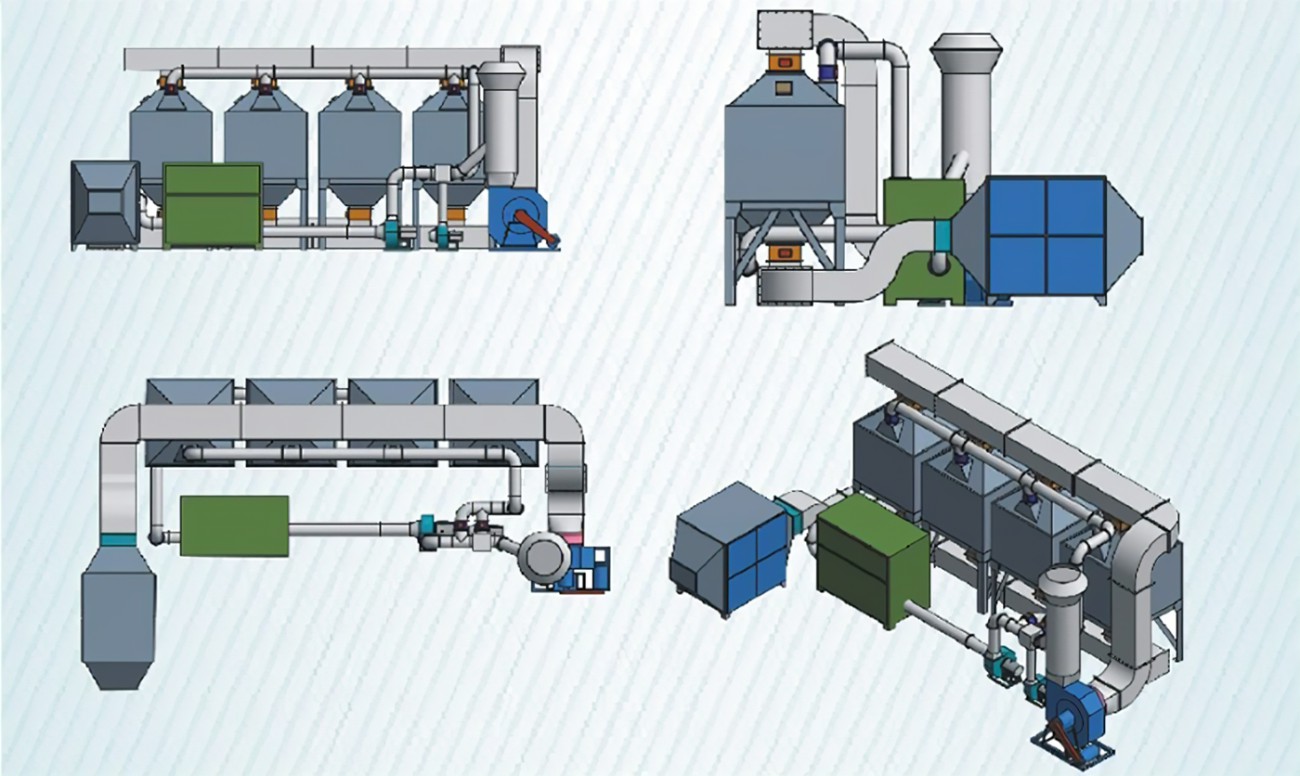
The system is designed for easy maintenance and modular replacement of catalyst beds, ensuring long-term stable operation.

Product Applications
The catalytic oxidizer is widely used in industries that generate organic waste gases, including:
Chemical Plants – Removal of solvent vapors and organic exhaust gases.
Pharmaceutical Industry – Purification of VOCs from production lines.
Coating & Printing Industry – Treatment of paint, ink, and printing waste gases.
Petrochemical & Refining – Control of hydrocarbon emissions in oil and gas processing.
Electronics & Packaging – VOC purification from adhesives and coatings.
By adopting a catalytic combustion system, companies can ensure compliance with strict environmental regulations, reduce energy costs, and maintain a cleaner production environment.