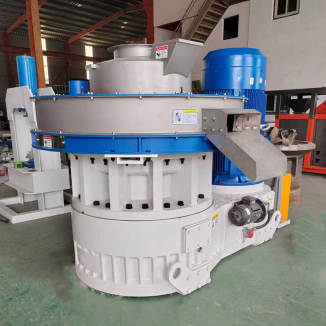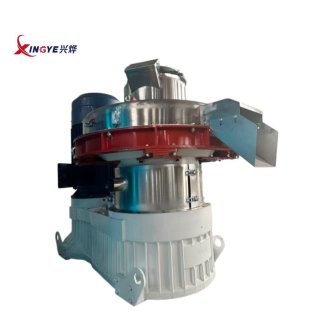
Fuel Pellet Making Machine
Turning waste into treasure: converting waste such as straw and sawdust into high-value energy, generating income and reducing costs.
Clean and environmentally friendly: efficient combustion, nearly zero carbon emissions, significantly reducing emissions by replacing coal.
Efficient and energy-saving: Granular fuel has high calorific value, convenient storage and transportation, and a combustion efficiency of over 90%.
Renewable: Wide range of raw material sources, sustainability, and ensuring energy security.
Fuel Pellet Making Machine (usually referring to biomass pellet machine) is a mechanical equipment that processes agricultural and forestry waste (such as sawdust, straw, rice husk, etc.) into high-density, regular shaped solid pellet fuel. Its advantages can be seen from multiple dimensions, mainly divided into three aspects: economic benefits, environmental benefits, and product performance.
 Economic benefits advantage
1. Turning waste into treasure and creating value:
Transforming agricultural and forestry waste (such as sawdust, shavings, tree branches, crop straw, etc.) that was originally difficult to handle, of low value, or even required payment for processing into commercially valuable commodity energy. This provides new profit growth points for agriculture, forestry, and wood processing plants.
2. Reduce energy costs:
For factories, farms, schools, bath centers, etc. that require the use of boilers or heating equipment, the cost of using self-produced or locally purchased biomass pellet fuel is usually much lower than that of fuel, natural gas, and electricity, which can significantly reduce operating costs.
3. Wide and inexpensive sources of raw materials:
The raw materials of biomass pellets are distributed throughout the country, and most of them can be used as plant fiber waste. This ensures the stability and low cost of raw material supply.
4. Government policy support:
In many countries and regions, due to the environmental characteristics of biomass energy, the government may provide policy support such as subsidies, tax reductions, or preferential loans for the procurement and operation of related projects and equipment.

Advantages of environmental and social benefits
1. Achieve carbon cycling and approach "carbon neutrality":
Plants absorb carbon dioxide through photosynthesis during their growth process, producing particles that release carbon dioxide equivalent to the amount absorbed during their growth. This does not increase the total amount of carbon dioxide in the atmosphere and has a positive effect on mitigating the greenhouse effect.
2. Reduce waste pollution:
Effectively solving the disposal problem of agricultural and forestry waste, avoiding serious air pollution caused by burning straw directly in the fields, and reducing the pollution of soil and water sources caused by solid waste accumulation.
3. Renewable and Sustainable:
Biomass energy is a storage form of solar energy, and as long as it is planted and harvested reasonably, its resources are inexhaustible and in line with the sustainable development strategy.
4. Reduce dependence on fossil fuels:
Providing a localized and renewable energy option helps optimize the national energy structure and ensure energy security.

Product performance advantages (advantages of granular fuel)
1. High energy density:
Through high-pressure dense molding, the volume of particulate fuel is only 1/8 to 1/10 of the raw material, greatly facilitating storage and transportation, and significantly increasing the calorific value per unit volume.
2. High combustion efficiency and stable calorific value:
The regular particle shape and uniform size ensure stable feeding and sufficient combustion in specialized burners, and the thermal efficiency can usually reach over 80% or even higher. Its calorific value can reach 3500-4500 kcal/kg, which is equivalent to ordinary coal combustion.
3. Clean and environmentally friendly, with low emissions:
Compared to raw coal, biomass particles have extremely low sulfur content (usually<0.1%) and emit very little sulfur dioxide after combustion. Meanwhile, due to sufficient combustion, the emissions of smoke and nitrogen oxides are much lower than those of coal.
4. Easy to store and transport:
The formed particles are not easily prone to spontaneous combustion or moisture absorption, and can be safely stored and transported over long distances like grains.
5. Easy to use and highly automated:
Granular fuel has good fluidity and can be automatically transported to the combustion chamber through equipment such as screw feeders, achieving continuous and automated combustion control and greatly reducing labor costs.
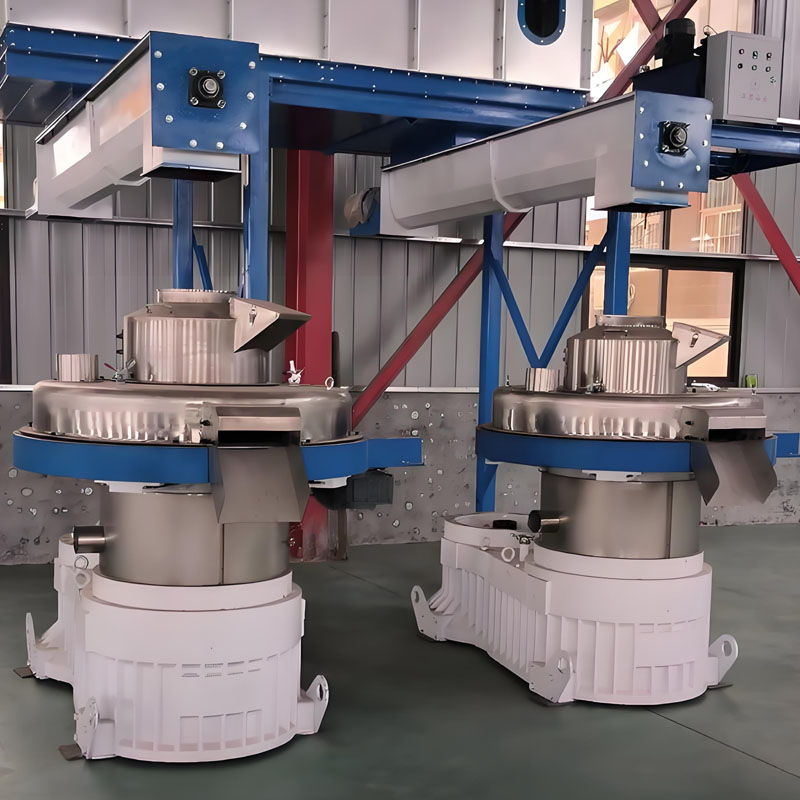
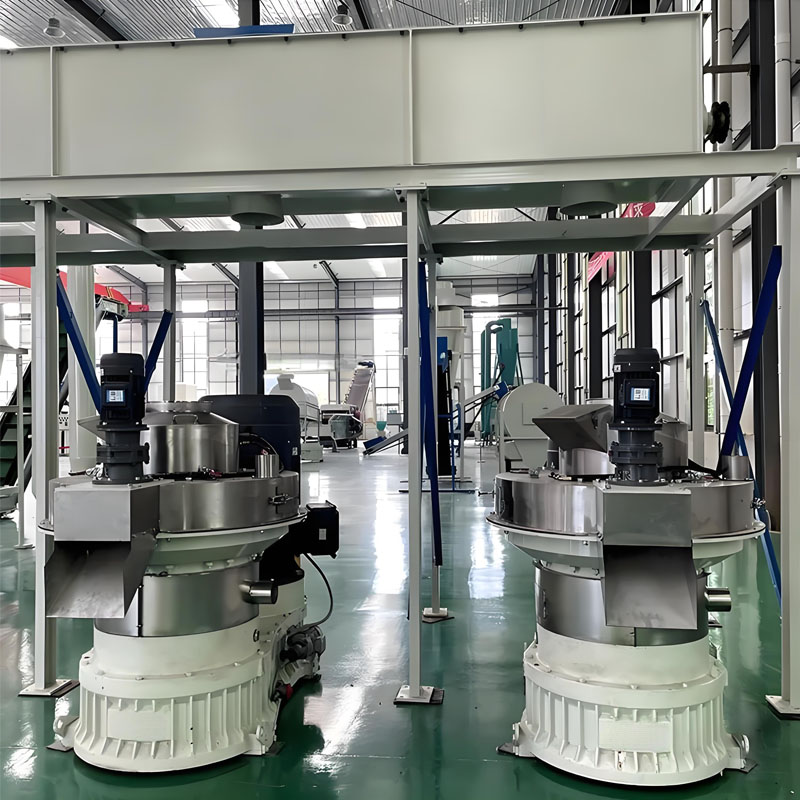
 Company processing equipment